Sleeping Bear: The Adorable Nursery Print Animal
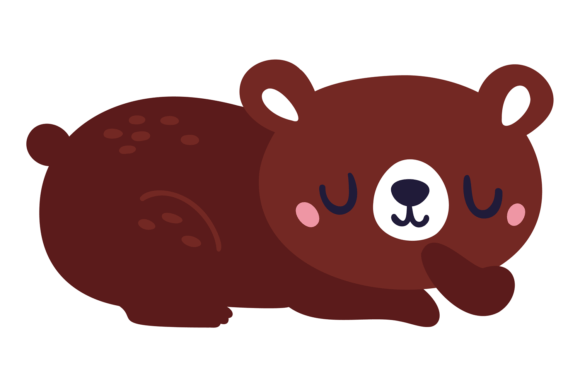
When you are building a brand or curating a nursery, the details define the experience. You aren't just looking for a picture of an animal; you are searching for a character that tells a story. That is exactly where Sleeping Bear. Cute Nursery Print Animal enters the conversation. It is more than just a graphic asset; it is a specific design style that captures the essence of innocence and comfort. Isolated on a crisp white background, available in versatile EPS and JPG formats, this character serves as a foundational piece for modern typography and visual storytelling.
Understanding the Visual Character
The primary appeal of the Sleeping Bear lies in its visual softness. This isn't a realistic depiction of wildlife, nor is it a hyper-stylized mascot. It sits comfortably in the "cute nursery print" category, which relies on rounded edges, soft shading, and a lack of sharp angles. When you look at this design, you see a character that feels safe. The sleeping pose suggests tranquility, making it an instant mood-setter for projects intended to soothe or comfort.
From a design perspective, the isolation on a white background is a massive advantage. It treats the Sleeping Bear like a sticker or a stamp, allowing you to layer it over textures, place it inside frames, or use it as a watermark without worrying about complex masking. The file formats provided—EPS for scalability and JPG for quick use—indicate that this is designed for professional application. Whether you are scaling it up for a wall decal or keeping it small for a favicon, the vector nature of the EPS file ensures the lines remain crisp.
Where This Design Style Fits Best
You might wonder where a Cute Nursery Print Animal fits outside of a baby’s bedroom. The answer is: almost anywhere that requires a "human touch." As a designer or entrepreneur, you often need to soften a brand identity. A tech startup might use a sleeping bear to indicate "sleep mode" in an app interface, or a meditation blog might use it as a header image to signal relaxation.
Branding and Packaging
For small business owners, specifically those in the children’s market, this asset is gold. Imagine a line of organic baby soap. The Sleeping Bear on the label immediately communicates gentleness without needing a single word of copy. It works beautifully in packaging design because it doesn't compete with the typography. It supports it. You can pair this character with a clean sans serif font for the ingredients and a playful handwritten font for the product name, creating a balanced visual hierarchy.
Digital Content and Social Media
Bloggers and content creators are constantly fighting for attention, but sometimes quietness stands out. Using the Sleeping Bear in social media graphics can break up the noise of bold, shouting advertisements. It works well for "Goodnight" posts, weekend roundups, or mental health awareness content. Because it is a premium font style graphic (high quality and intentional), it elevates the perceived value of your content. It moves your feed away from generic stock imagery toward a curated brand identity.
Editorial and Web Design
In web design, whitespace is a luxury. A cluttered site feels stressful. By utilizing an isolated image like this, you can create "resting spots" for the reader's eyes. It acts as a visual pause. In editorial design, such as a parenting magazine or a storybook, this character can serve as a recurring motif or a section divider. It’s a versatile design asset that adds personality to flat layouts.
The Psychology of Softness in Typography and Imagery
We often talk about modern typography in terms of geometry and kerning, but the "feeling" of a font or image is just as critical. The Sleeping Bear evokes a sense of nostalgia and protection. If you are crafting a logo design for a daycare or a children's clothing line, this aesthetic is non-negotiable. Parents are looking for signals of safety. This illustration is a massive signal.
However, the influence on readability and engagement is subtle. When a reader sees a soft, friendly character, they subconsciously lower their guard. They are more willing to engage with the text surrounding it. This is a psychological trick used in packaging design for decades: soften the visual field to make the message more palatable. If you are writing a difficult announcement or a "Terms of Service" page for a kid-friendly platform, softening the visual load with such an asset can actually improve user retention.
Practical Guidance for Implementation
Integrating a Sleeping Bear. Cute Nursery Print Animal into your workflow requires some strategic thinking. It is not just about "slapping it on." Here is how to get the most out of this style.
Font Pairings and Visual Hierarchy
The character is rounded and organic. Therefore, your typography should complement, not fight. Avoid overly aggressive, angular display fonts. Instead, look for a serif font with soft brackets or a sans serif font with a geometric structure. If you want to lean into the whimsy, a script font or a handwritten font works wonders for headlines, provided the body copy remains legible. The goal is visual hierarchy; the bear draws the eye, and the font delivers the information.
Color Theory and Backgrounds
Since the asset is isolated on white, you have total control over the palette. However, be mindful of the "nursery" trap. If you don't want the design to look strictly like a baby's room, avoid pastel pinks and blues. Try using the bear in charcoal grey on a beige background for a modern, Scandinavian aesthetic. Or, use it in a deep navy blue for a more sophisticated, preppy look. This flexibility allows the creative font and graphic style to adapt to different audiences.
Licensing and Scalability
Always check the licensing. Since this is marketed as a commercial font and asset style, ensure your specific download allows for the intended use. If you are creating physical products (merchandise), you usually need an extended license. If it is for a client's website, a standard license often suffices. Because the file is an EPS, you can scale it to billboard size without losing quality, which is a massive advantage over standard JPGs.
Real-World Application Scenarios
Let’s look at specific examples to spark your creativity.
- Greeting Cards: Use the Sleeping Bear on the front of a "Get Well Soon" card. The imagery of rest aligns perfectly with the message of recovery.
- App UI Design: If you are designing a sleep tracker app, use this icon for the "Start Sleep" button. It’s friendly and intuitive.
- Corporate Wellness: Large companies often have "quiet zones." A poster featuring this bear with a sans serif font caption like "Recharge Mode" adds a touch of humanity to the corporate environment.
- Sticker Sheets: For planners and journals, this character makes an excellent sticker for marking rest days or weekends.
Conclusion
The Sleeping Bear. Cute Nursery Print Animal is a versatile, emotionally resonant design asset. It bridges the gap between professional web design and heartfelt illustration. By understanding its visual weight and pairing it with the right modern typography, you can create designs that are not only beautiful but deeply engaging. Whether you are a marketer looking to soften a campaign or a crafter building a personal brand, this character offers a timeless foundation for your creative projects.