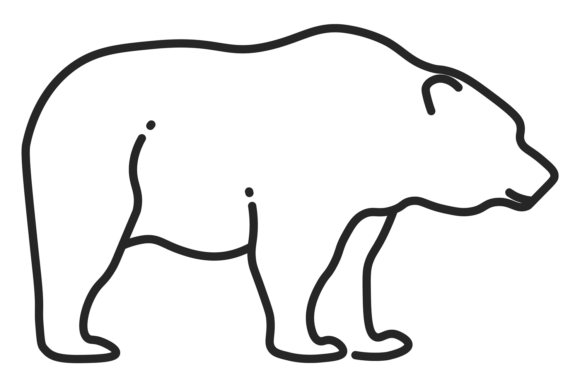
Bear Line Icon: A Woodland Wild Animal for Modern Branding
In a digital landscape saturated with sterile sans-serifs and predictable scripts, the Bear Line Icon. Woodland Wild Animal. Na typeface emerges as a breath of fresh, pine-scented air. This isn't just another display font; it's a carefully crafted design asset that embodies strength, nature, and a touch of rustic charm. For designers, entrepreneurs, and creators seeking a typeface with genuine character, this woodland-inspired font offers a unique solution that bridges the gap between whimsical illustration and professional typography.
Visual Character and Distinct Personality
At its core, the Bear Line Icon font is defined by its elegant, continuous-line aesthetic. Each letterform is constructed with a single, flowing stroke that mimics the organic curves and angles found in nature. The visual characteristics are unmistakable: the terminals are subtly rounded, suggesting the soft fur of its namesake animal, while the overall structure maintains a sturdy, grounded presence. This creates a fascinating duality—the font feels both approachable and authoritative, gentle yet strong. The "Na" styling in its full name hints at its complete character set, which often includes alternates and ligatures that allow for customized, fluid typography.
The personality of this typeface is one of quiet confidence. It doesn't shout for attention with excessive ornamentation. Instead, its appeal lies in its sophisticated simplicity and the skillful execution of the line-art style. It carries a modern sensibility while being deeply rooted in a nature-inspired theme, making it incredibly versatile. Whether you're designing a logo for an outdoor apparel brand, crafting headings for a wellness blog, or creating social media graphics for an eco-friendly product, the Bear Line Icon font injects a layer of authenticity and thoughtful design.
Strategic Applications Across Creative Projects
Understanding where a font like Bear Line Icon. Woodland Wild Animal. Na truly shines is key to leveraging its full potential. Its strengths lie in applications where a strong, memorable impression is required without sacrificing readability for short-form text.
- Logo Design & Brand Identity: This is the font's sweet spot. Its unique line work is perfect for creating logos that need to be recognizable, scalable, and imbued with a specific ethos. Think adventure companies, artisanal food producers, children's educational brands, or boutique hotels nestled in the countryside. It establishes a brand identity that feels connected to nature, craftsmanship, and durability.
- Editorial & Packaging Design: Use it for headlines in magazines, book titles, or on product packaging where it can command attention. It works beautifully on labels for organic goods, craft beers, or specialty teas, where the packaging itself tells a story about the product's origin and values.
- Digital & Web Design: While primarily a display font, it can be used effectively for hero section headings, call-to-action buttons, or navigation labels on websites for parks, travel agencies, or outdoor event planners. Its transparent PNG and SVG formats ensure crisp rendering across all screens.
- Social Media Graphics & Marketing: In the fast-scrolling environment of social media, a distinctive font can stop the thumb. Bear Line Icon is excellent for creating eye-catching quote graphics, promotional banners, and story covers that need to convey a theme of nature, strength, or adventure quickly.
It's crucial, however, to recognize its role as a display font. For body copy or long paragraphs, pairing it with a highly legible sans serif font or a classic serif font is essential. The contrast will ensure your overall design remains clean and readable, while allowing the Bear Line Icon to deliver its impactful message in headlines and key phrases.
Practical Guidance for Selection and Implementation
Choosing and implementing a premium font like this requires a strategic approach. Here’s how to ensure it’s the right fit and that you use it effectively.
- Evaluate Project Fit: Before purchasing, define your project's core message. Does "strength," "nature," "craft," or "adventure" align with your goals? If your brand is ultra-modern, minimalist tech, this font might clash. If it's about organic living or outdoor exploration, it's likely a perfect match.
- Test Font Pairings: Don't use it in isolation. Download the trial versions if available and test it alongside potential partners. A clean, geometric sans serif font like Montserrat or Lato often creates a beautiful, balanced contrast. A traditional serif font can lend a more classic, editorial feel. Avoid pairing it with other highly decorative script fonts or handwritten fonts to prevent visual chaos.
- Review Included Styles and Glyphs: Look beyond the basic alphabet. Does the license include the EPS, JPG, SVG, and transparent PNG files mentioned? These are invaluable for designers. Check for additional stylistic alternates or ligatures that can add custom flair to your typography, making your work unique.
- Consider Readability and Hierarchy: Use it at larger sizes where its intricate line work can be fully appreciated. For smaller applications like subheadings or buttons, ensure the text remains legible. It should establish the top of your visual hierarchy, not get lost in the details.
- Clarify Commercial Licensing: This is non-negotiable. Ensure the license you acquire covers your intended use—whether for a single client project, unlimited personal projects, or full commercial enterprise. A legitimate commercial font purchase protects you and respects the creator's work, a cornerstone of professional design assets management.
Ultimately, the Bear Line Icon. Woodland Wild Animal. Na typeface is more than just a collection of letters. It's a strategic creative font that can significantly influence brand perception, audience engagement, and the overall cohesion of your modern typography