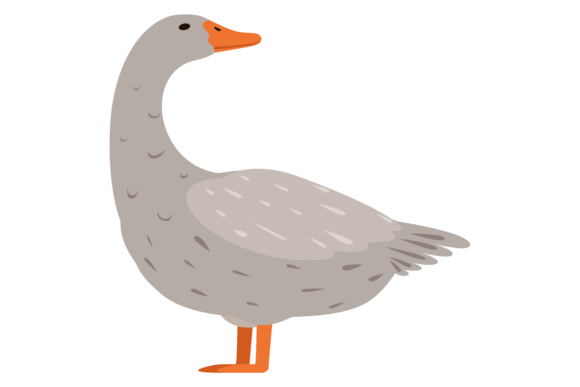
Goose Color Icon Farm Animal: The Poultry Symbol for Modern Design
In the crowded landscape of digital assets, finding a symbol that conveys personality without sacrificing professionalism is a significant challenge. When building a brand identity, particularly for niche markets like agriculture, artisanal goods, or rural tourism, the imagery you choose speaks volumes before a customer reads a single word. This is where the Goose Color Icon enters the conversation. It is not merely a vector file; it is a specific visual tool designed to bridge the gap between traditional farm aesthetics and contemporary digital requirements. As a distinct farm animal symbol, this asset moves beyond generic livestock imagery, offering a fresh perspective on poultry representation.
Unlike standard livestock icons that often feel dated or overly simplistic, the Goose Color Icon is designed with modern typography and layout trends in mind. It functions effectively as a display element, drawing the eye without overwhelming the surrounding content. For designers and entrepreneurs, this asset serves as a versatile cornerstone for brand identity. Whether you are launching a line of organic eggs, rebranding a family farm, or creating a logo for a petting zoo, the visual weight and style of this icon are calibrated to resonate with a contemporary audience while honoring the agricultural roots of the subject matter.
Visual Characteristics and Design Appeal
The true strength of the Goose Color Icon lies in its adaptability across different formats. Provided in EPS, JPG, SVG, and transparent PNG, the asset is built for scalability. The vector formats (EPS and SVG) ensure that the lines remain crisp whether the icon is sized for a massive billboard or a tiny favicon. This is crucial for maintaining professionalism across various touchpoints.
Visually, the icon often adopts a style that balances abstraction with recognition. It avoids the harsh realism of stock photography, opting instead for a stylized approach that complements modern typeface choices. The color palette is typically vibrant yet controlled, allowing the icon to stand out against both light and dark backgrounds. This makes it an ideal candidate for packaging design, where shelf presence is paramount. The poultry symbol aspect is handled with a friendly demeanor, giving the goose a "personality" that feels approachable rather than aggressive. This subtle distinction in character design can significantly influence how a brand is perceived by its target demographic.
Strategic Applications: From Web to Print
For the modern content creator or marketer, the utility of a high-quality icon extends far beyond a static logo. The Goose Color Icon is a dynamic asset for social media graphics. In a fast-scrolling environment, a recognizable, colorful symbol stops the thumb. It can be used as a watermark on video content, a profile picture for niche community groups, or a decorative element in email headers. Because it is isolated on a white background in its source files, it is incredibly easy to extract and integrate into complex layouts without dealing with messy masking or clipping paths.
In editorial design and publishing, this symbol adds visual interest to long-form content. Imagine a blog post about sustainable living or a magazine feature on heirloom breeds; placing the Goose Color Icon as a drop cap or a section divider breaks up the monotony of text. It aids in visual hierarchy, guiding the reader's eye through the narrative. For small business owners in the craft sector—perhaps selling goose down pillows or hand-painted ceramics—the icon becomes a seal of authenticity. It communicates the origin and nature of the product instantly, enhancing brand recognition without the need for excessive explanation.
Integrating the Icon with Typography
A common struggle in design is marrying imagery with text. The Goose Color Icon pairs exceptionally well with specific font categories. If your brand leans towards a rustic, organic aesthetic, consider pairing the icon with a serif font that has a bit of texture or a handwritten font that feels personal. This combination works well for wedding invitations for farm venues or menu designs for farm-to-table restaurants.
Conversely, for a more tech-forward agricultural business—think precision farming apps or modern co-op marketing—a sans serif font with clean geometry creates a striking contrast. The organic curves of the goose silhouette juxtaposed against the rigid structure of a modern typography style can create a memorable logo design. When testing font pairings, pay attention to the weight of the icon. If the goose is drawn with thick lines, pair it with a bold or heavy weight typeface to maintain balance. If the line work is delicate, a light or regular weight script font might be more appropriate to ensure the icon doesn't overpower the text.
Practical Guidance for Usage and Licensing
Before incorporating the Goose Color Icon into a commercial project, it is essential to evaluate the licensing terms. Most premium font and icon assets come with specific usage rights. Ensure the license covers your intended use, whether it is for physical merchandise (like t-shirts or mugs) or digital products (like website themes or app interfaces). Since this is a commercial font asset, verifying that the license allows for unlimited prints or web impressions is a step that protects you legally and financially down the road.
When applying the icon, consider the context of readability. While the icon itself is an image, it interacts with the text around it. Ensure there is sufficient white space (or "breathing room") surrounding the symbol so it doesn't crowd the typography. In web design, test the icon on different screen resolutions. An SVG format is ideal here, as it remains sharp on high-DPI retina screens where JPGs might pixelate. For crafters and hobbyists using the icon for personal projects—such as scrapbooking or digital planning—the transparent PNG is likely the most user-friendly format, allowing for drag-and-drop functionality in most basic editing software.
Final Thoughts on Asset Selection
Choosing the right visual assets is about more than just aesthetics; it is about communication. The Goose Color Icon provides a specific visual shorthand that says "rural," "natural," and "artisanal" while maintaining a high standard of design quality. It moves beyond the cliché of the rooster to offer a different facet of farm life. For the designer tasked with creating a cohesive brand identity for an agricultural client, or the entrepreneur looking to add a touch of charm to their packaging, this icon offers a practical, scalable, and engaging solution. By treating this asset not just as a picture but as a functional component of your design system, you can leverage its personality to build stronger connections with your audience.