Lovely Elephant: A Cute Animal Character for Your Projects
There’s a specific kind of charm that only a well-drawn character can bring to a project. It’s not about complex illustration or photorealism; it’s about personality. This is the core of Lovely Elephant. Cute Animal Character I, a design asset that functions less like a traditional font and more like a toolkit for injecting warmth and approachability into your work. Forget the technical jargon of kerning and ligatures for a moment. Think of this as your friendly, illustrated companion, ready to be deployed across a multitude of creative scenarios.
Visual Personality and Scandinavian Simplicity
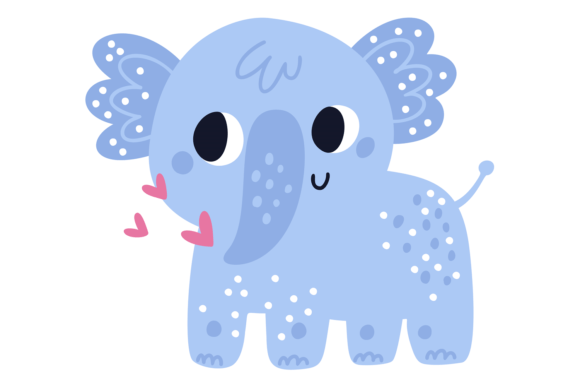
At first glance, the appeal of the Lovely Elephant character is its immediate, uncomplicated sweetness. The design follows a Scandinavian style, characterized by clean lines, a minimalist aesthetic, and a focus on essential forms. There’s no unnecessary detail; the elephant’s shape is soft, rounded, and instantly recognizable. This isn’t a cartoonish mascot with exaggerated features, but a gentle, stylized creature that feels both modern and timeless. The personality conveyed is one of calm, curiosity, and quiet friendliness—traits that can subtly influence how an audience perceives a brand or project.
This style of modern typography and character design excels because of its versatility. The cute animal character is isolated on a white background in its provided formats (EPS, JPG), making it a plug-and-play asset. Its simplicity ensures it doesn’t clash with other design elements. Instead, it acts as a focal point or a complementary accent. The visual hierarchy it establishes is gentle; it draws the eye through charm rather than shouting for attention. For designers, this is a valuable trait, allowing the character to support a message without overwhelming it.
Strategic Applications Across Industries
Where does a lovely elephant fit into professional work? The applications are broader than you might initially think. Its strength lies in projects where building an emotional connection is key.
In brand identity, this character can become the cornerstone for businesses targeting families, children, wellness, eco-friendly products, or any service that wants to project trust and kindness. Imagine it as the central mark for a children’s bookstore, a sustainable baby clothing line, or a community-focused cafe. It’s a creative font element that can be used in logo design, on packaging, and across all brand collateral, creating a consistent and recognizable friend.
For marketing and content creation, the character is a goldmine. It can transform a standard social media graphic into something engaging. Use it in Instagram stories, as a profile picture mascot, or within blog post headers to break up text and add visual interest. In editorial design, it could serve as a recurring icon in a magazine for section breaks, or as a charming illustration in a newsletter. The key is that it adds a layer of audience engagement through relatability.
Even in more corporate contexts, a touch of personality can be powerful. A tech startup focused on user-friendly software might use a simplified version of the elephant in their help documentation or onboarding emails to soften the experience. The character’s professionalism comes from its intentional design, not from being sterile. It shows a brand has considered its users’ emotional experience.
Making It Work: Practical Design Guidance
Integrating a character asset like this requires some thought to ensure it enhances rather than detracts. Here’s how to approach it practically.
First, evaluate project fit. Ask yourself: Does the tone of my project align with gentle, approachable, and slightly playful? If you’re designing for a law firm or a high-end luxury watch brand, this probably isn’t the right choice. But for a wide range of consumer-facing, lifestyle, and community-oriented projects, it’s a perfect match.
Next, consider font pairing. Since the Lovely Elephant is a visual character, it doesn’t have traditional font styles. However, the typography you pair it with is critical. To maintain the clean Scandinavian feel, pair it with a simple, geometric sans serif font for body text. For headings, you could use a soft, rounded sans serif or even a subtle script font for a touch of whimsy, but test carefully to avoid visual clutter. The goal is harmony, not competition.
Think about readability and scale. The character is likely most effective as an accent—a small icon, a watermark, or a featured illustration—not as a replacement for text. Ensure any accompanying text is set in a highly legible typeface. The elephant should guide the reader’s eye, not force them to decipher a message.
Finally, understand the asset you’re working with. The provided EPS file is a premium font asset in vector format, meaning you can scale it to any size without loss of quality—essential for everything from a small favicon to a large printed banner. The JPG is ready for immediate digital use. Check the commercial licensing terms to ensure your intended use, whether for a client project or your own merchandise, is covered. This is a standard but crucial step for any design asset.
The true value of Lovely Elephant. Cute Animal Character I lies in its ability to make a project feel more human. In a digital landscape saturated with generic imagery, a thoughtfully chosen, stylistically consistent character can be the detail that makes your work memorable. It’s not just a cute drawing; it’s a strategic tool for building connection, one friendly elephant at a time.